Water Testing
Overview
Water is something we use every single day—whether it’s for drinking, cooking, manufacturing, or cleaning—but very few people actually stop to think about what’s in it. It may look clear and safe, but in reality, water can carry hidden impurities that affect health, product quality, and overall safety. That’s where water testing becomes important. It’s not just about meeting regulations; it’s about understanding your water and making sure it’s truly fit for its purpose.
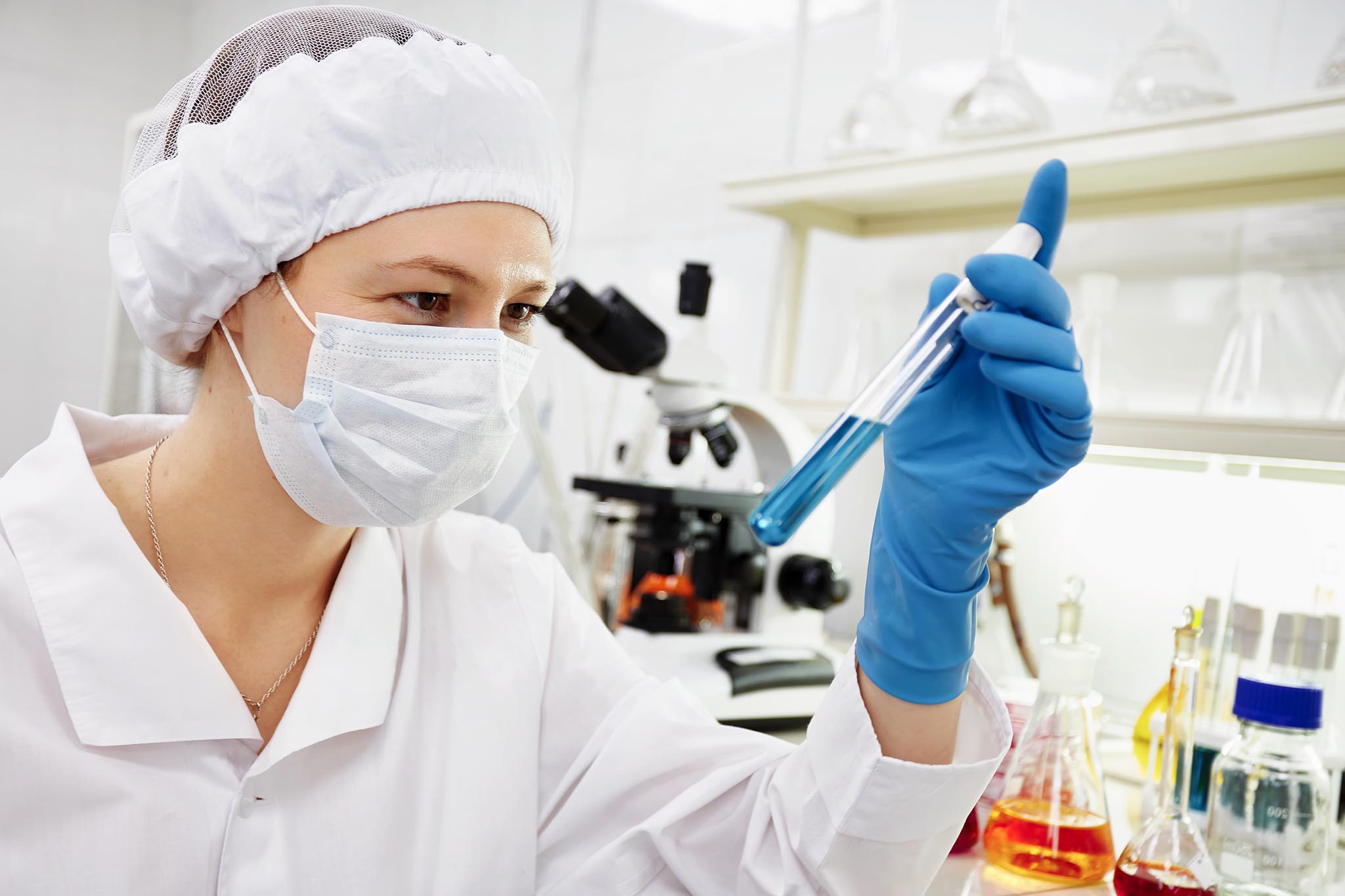
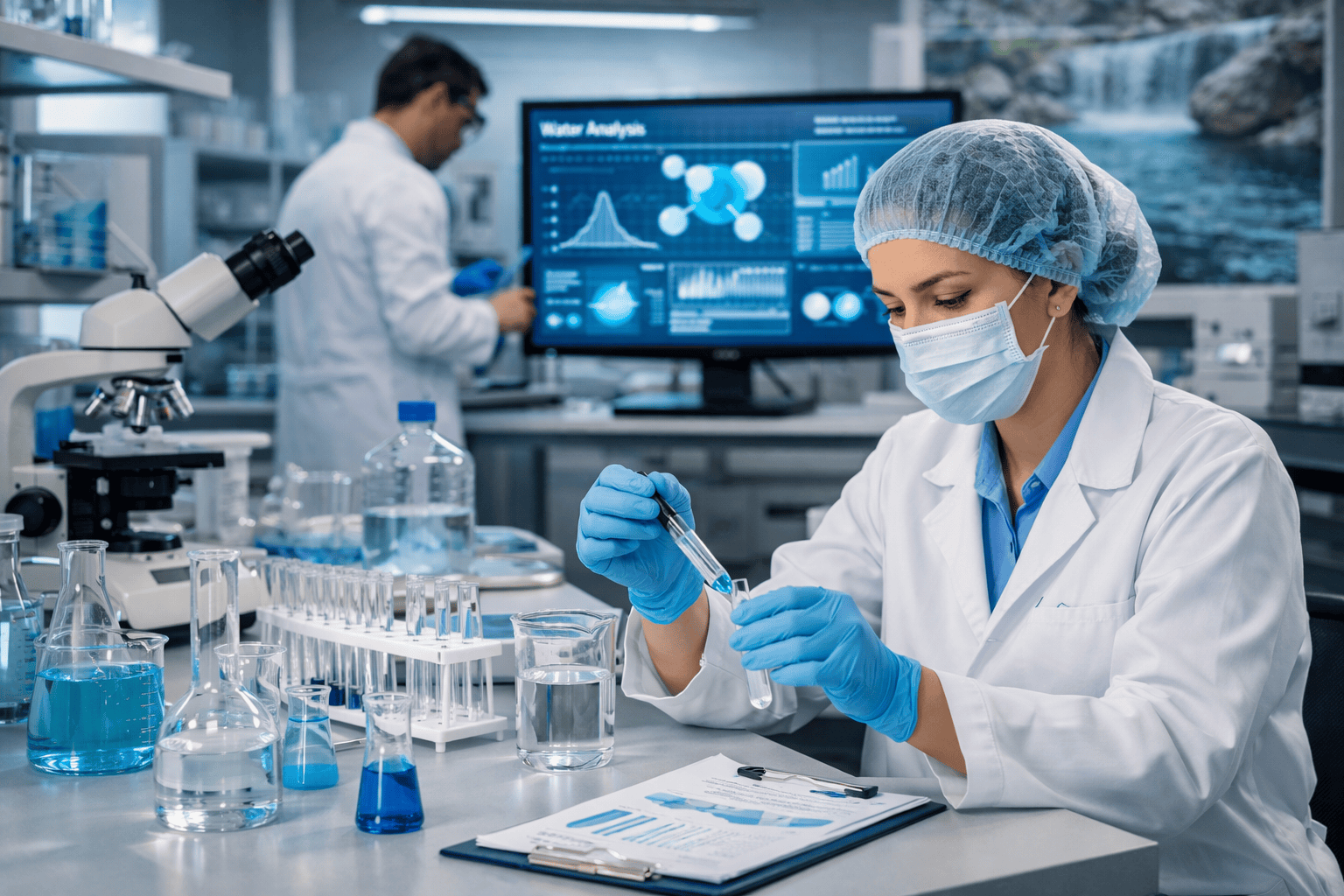
Water testing is a scientific process that checks different aspects of water quality, including physical, chemical, and microbiological parameters. This includes factors like pH levels, total dissolved solids (TDS), hardness, turbidity, and the presence of harmful substances such as heavy metals, pesticides, or bacteria like E. coli and coliforms. These parameters help paint a complete picture of your water quality. Without proper testing, even water that looks clean can pose serious risks—ranging from health issues to equipment damage and compliance problems.
For businesses, especially in industries like food processing, pharmaceuticals, and hospitality, water quality plays a crucial role. It directly affects the safety, taste, and consistency of products. Poor-quality water can lead to contamination, reduced shelf life, or even product rejection. In industrial settings, untreated water can cause scaling, corrosion, and inefficiencies in machinery, increasing maintenance costs and downtime. For homes and commercial spaces, water testing ensures that the water being consumed is safe, protecting families and employees from long-term health concerns.
One of the most valuable aspects of professional water testing is the clarity it provides. It doesn’t just give you numbers—it helps you understand what those numbers mean. For example, if your water has high hardness, you may need a softening system. If microbial contamination is detected, immediate disinfection is required. If heavy metals are present, advanced filtration solutions like reverse osmosis may be necessary. This kind of insight allows you to take the right action at the right time, avoiding unnecessary expenses and ensuring effective solutions.
Another important factor is compliance. Following standards set by authorities like BIS, WHO, or FSSAI is essential, especially for businesses. Proper testing ensures that your water meets these guidelines, helping you avoid legal issues and maintain your credibility in the market.
At HHCS Laboratory & Research Center LLP, water testing is done with a focus on accuracy, reliability, and real-world application. Using advanced equipment and proven methods, every test is carried out with strict quality control. More importantly, the results are explained in a way that is easy to understand, so you know exactly what steps to take next.
In a time where water sources are increasingly affected by pollution and environmental changes, regular testing is not something to overlook. It helps you stay informed, maintain quality, and build trust—whether it’s with your customers or within your own household. Choosing the right testing partner ensures that water testing becomes more than just a routine check—it becomes a smart decision for safety, efficiency, and peace of mind.
Features / Checklist
- Safety and Compliance
- Contaminant Detection
- Comprehensive Quality Analysis
- Accurate Water Analysis